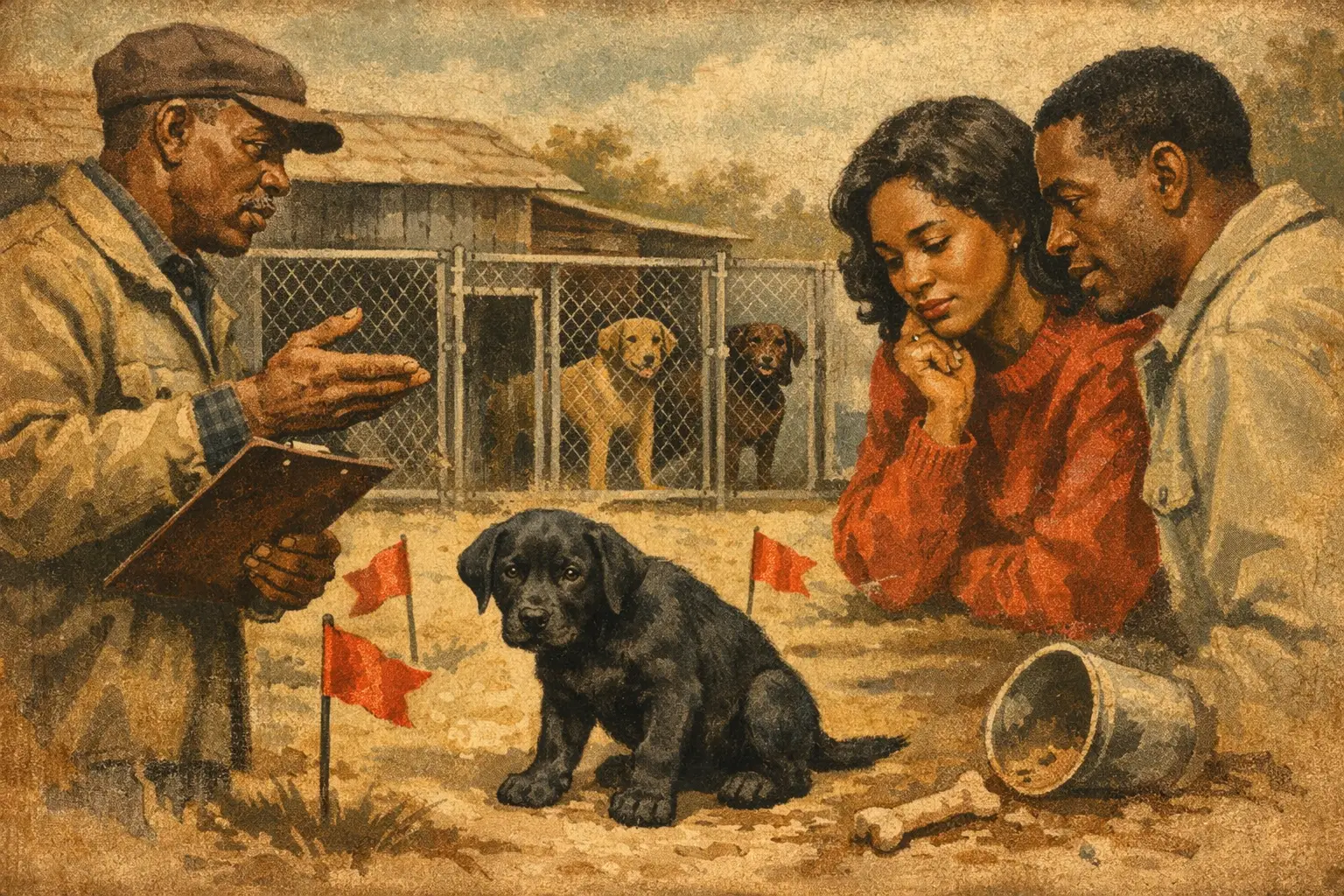
The first time your Labrador puppy freezes at the sound of a shopping cart, backs away from a man in a hat, or gets wildly overexcited meeting another dog, you see why early socialization matters. If you are wondering how to socialize a Labrador puppy, the goal is not to make your puppy say yes to everything. The goal is to help your puppy feel safe, steady, and confident in the world he will live in.
That distinction matters. Labradors are famously friendly, but being friendly by breed does not automatically mean being well socialized. A young Lab can still become worried, overstimulated, or pushy if his early experiences are too limited, too intense, or simply poorly timed. Good socialization builds a dog who can settle around children, walk calmly through busy places, recover from surprises, and adapt to new situations without falling apart.
What socializing a Labrador puppy really means
Socialization is not just meeting lots of people and dogs. It is a process of teaching your puppy that new experiences are normal and manageable. That includes different surfaces, noises, car rides, grooming, visitors, veterinary handling, household chaos, and time away from home.
For Labrador owners, this matters even more because Labs are often expected to do a lot. They are family dogs, but they are also chosen for therapy work, service tasks, emotional support roles, hunting, and active lifestyles. A Labrador with the right temperament and thoughtful early exposure has a much better chance of growing into that role than one who is either sheltered or flooded.
A common mistake is assuming more exposure is always better. It is not. A puppy who is carried into a loud hardware store, passed around by strangers, and then dragged into a puppy playgroup all in one day may not be learning confidence. He may be learning that the world feels overwhelming. Socialization works best when it is calm, gradual, and paired with positive experiences.
The best age for how to socialize a Labrador puppy
The early window matters. Puppies are especially open to new experiences in the first few months of life, which is why responsible breeders start shaping confidence before puppies ever leave for their new homes. Gentle handling, normal household sounds, different textures, and age-appropriate novelty can make a meaningful difference.
Once your puppy comes home, that work continues. The sweet spot is early, but not rushed. You do not need to cram a hundred experiences into two weeks. You do need to be intentional. A few good exposures each week, done thoughtfully, are far more valuable than a chaotic attempt to check every box.
This is also where health and safety come in. Young puppies are still building immunity, so socialization should never mean taking unnecessary disease risks. Clean environments, known healthy dogs, vaccinated visitors, safe car outings, and controlled introductions are smarter than putting a puppy down everywhere in public. It depends on your veterinarian’s advice, your puppy’s age, and the disease risk in your area.
Start with the world your puppy will actually live in
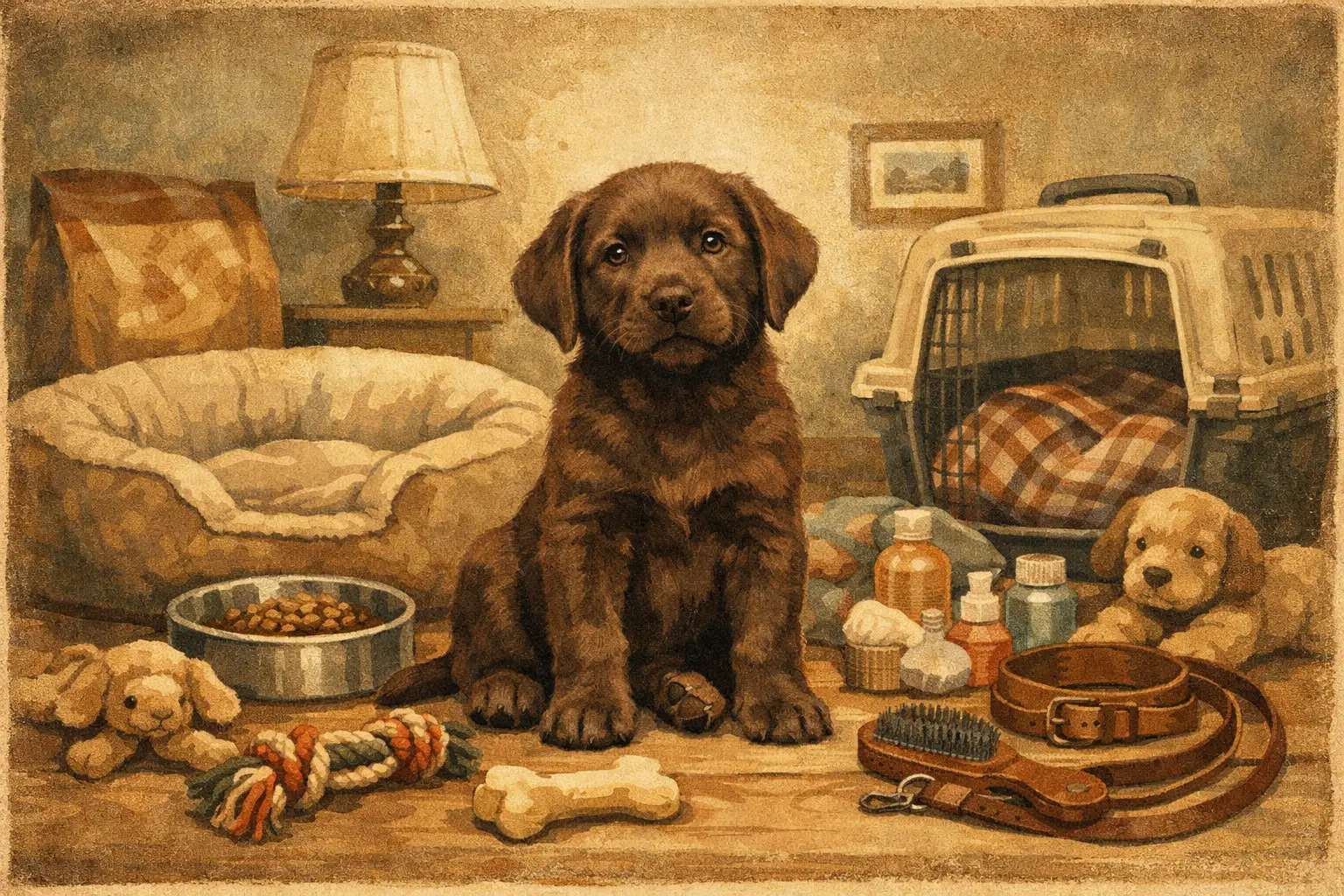
The most useful socialization plan is practical. Begin with real life. If your Labrador will live with children, he should hear squeals, see toys move unpredictably, and learn that kid activity is normal. If he will ride in the car often, short pleasant rides should become routine. If you plan on grooming, nail trims, and vet visits going smoothly, start handling paws, ears, mouth, and tail gently and often.
Your puppy should also experience everyday household rhythms. Let him hear the vacuum from a comfortable distance. Let him walk across hardwood, tile, carpet, grass, gravel, and a wobbly outdoor surface. Let him see people with umbrellas, hats, backpacks, canes, and strollers. The trick is to introduce these things without cornering or forcing him.
Watch your puppy closely. A relaxed puppy may sniff, observe, take treats, and recover quickly. A worried puppy may lean back, refuse food, yawn repeatedly, lick his lips, tremble, or try to escape. If you see stress building, lower the intensity. Move farther away, shorten the session, or simply let your puppy watch from a safe distance.
People matter, but quality matters more than quantity
Many owners focus on getting their puppy to meet as many people as possible. That can help, but random interactions are not always productive. A Labrador puppy does not need every stranger to pet him. In fact, teaching polite neutrality is often more useful than teaching your puppy to rush toward everyone.
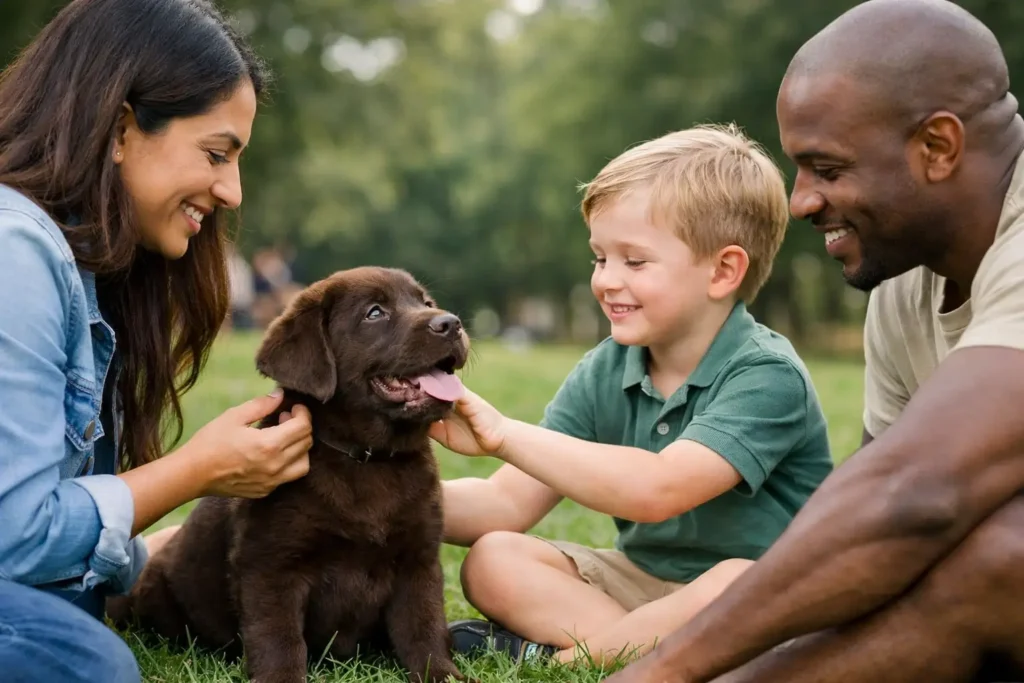
Aim for calm, positive encounters with different kinds of people. Invite visitors over. Ask kind adults to offer a treat without crowding. Let your puppy observe children without being chased or grabbed. If your puppy seems hesitant, do not hand him over. Let him approach on his own timeline.
That approach creates real confidence instead of social pressure. It also helps prevent a very common Labrador problem later on – the adolescent dog who thinks every person exists for enthusiastic full-body greetings.
Dog socialization should be selective
Dog-to-dog socialization is important, but dog parks are not the answer for most young puppies. Too many unknown dogs, mixed play styles, and little control can create bad experiences fast. One rough interaction can leave a lasting mark.
A better option is meeting stable, vaccinated adult dogs who are patient and appropriately social. Well-run puppy classes can also be helpful when the trainer understands puppy development and keeps arousal levels under control. The best puppy interactions are not always the wildest ones. Often, they are the ones where your puppy learns how to greet, disengage, and settle.
This is especially important with Labradors because their natural enthusiasm can tip into rude behavior if not guided early. You want a puppy who can enjoy other dogs without losing his mind around them.
Use confidence-building routines, not random exposure
If you want to know how to socialize a Labrador puppy in a way that lasts, make it part of your weekly rhythm. Short outings, calm observation, handling practice, and structured introductions work better than occasional big adventures.
Reward curiosity. If your puppy notices a bike, hears a siren, or sees a rolling suitcase and stays engaged with you, mark that with praise and a treat. If he is uncertain, do not pressure him to investigate. Stand with him, give him distance, and let the scary thing become boring.
You are not just exposing your puppy to the world. You are teaching him how to process it. That is why your own behavior matters so much. If you stay calm, move thoughtfully, and avoid dragging your puppy into situations he is not ready for, he learns that new things do not have to be a crisis.
What to avoid when socializing a Labrador puppy
There are a few mistakes we see often. The first is doing too much too soon. Socialization should stretch your puppy a little, not overwhelm him. The second is forcing interaction. A puppy who hides behind your leg should not be pushed forward to “get over it.”
The third is confusing excitement with success. Many Labrador puppies look happy when they are actually overstimulated. Jumping, mouthing, barking, zooming, and ignoring cues can be signs that the session has gone on too long. A good socialization experience often ends with a puppy who can still think, eat, and recover easily.
Finally, do not ignore rest. Puppies need a great deal of sleep, and tired puppies handle stress poorly. If your Lab has had a busy day, the smartest choice may be skipping the next outing and letting him reset at home.
Socialization and temperament go together
Training helps, but temperament matters. A well-bred Labrador should have the foundation for stability, biddability, and sound nerves. That does not replace socialization, but it makes good socialization more effective. At Lucky Labs, this is one reason we put such strong emphasis on health, genetics, and temperament from the start. Puppies should be given every advantage before training even begins.
Still, even a beautifully bred puppy needs guidance in his new home. Socialization is where genetics and experience meet. Done well, it protects the qualities most Labrador families want – reliability, friendliness, adaptability, and the ability to settle into family life or more specialized work.
When to get extra help
Some puppies need more support. If your Labrador shows persistent fear, startles and does not recover, avoids people, panics in new places, or becomes increasingly reactive, get help early. A qualified trainer or behavior professional can keep a small concern from becoming a bigger one.
Early support is not a sign that anything is wrong with your puppy. It is a sign that you are paying attention. The best outcomes usually come when owners respond early, not after months of hoping a puppy will simply grow out of it.
A well-socialized Labrador is not the puppy who has been everywhere. It is the one who has learned, step by step, that the world is safe enough to move through with trust. If you keep that as your standard, your puppy does not need a perfect plan. He just needs you to be steady, observant, and willing to go at the pace that builds real confidence.