A Labrador who pulls toward every person, steals a sandwich from the counter, or forgets her name outdoors is not being stubborn. She is doing what Labradors are naturally wired to do: follow food, people, scents, movement, and excitement. The best Labrador training methods work with that eager, affectionate nature instead of trying to overpower it. They build clear communication early, reward the right choices generously, and give a bright, social dog a dependable structure.
For families, that structure creates more than good manners. It helps a Labrador settle into daily life with confidence, whether she is growing into a beloved family dog or showing the focus and steadiness valued in therapy, comfort, emotional support, or service work.
Start With a Relationship, Not a List of Commands
Labradors are famously people-oriented. They learn fastest when training feels like a positive interaction with the person they trust, not a series of corrections they are trying to avoid. That does not mean allowing every behavior or lowering expectations. It means being fair, consistent, and clear about what earns a reward.
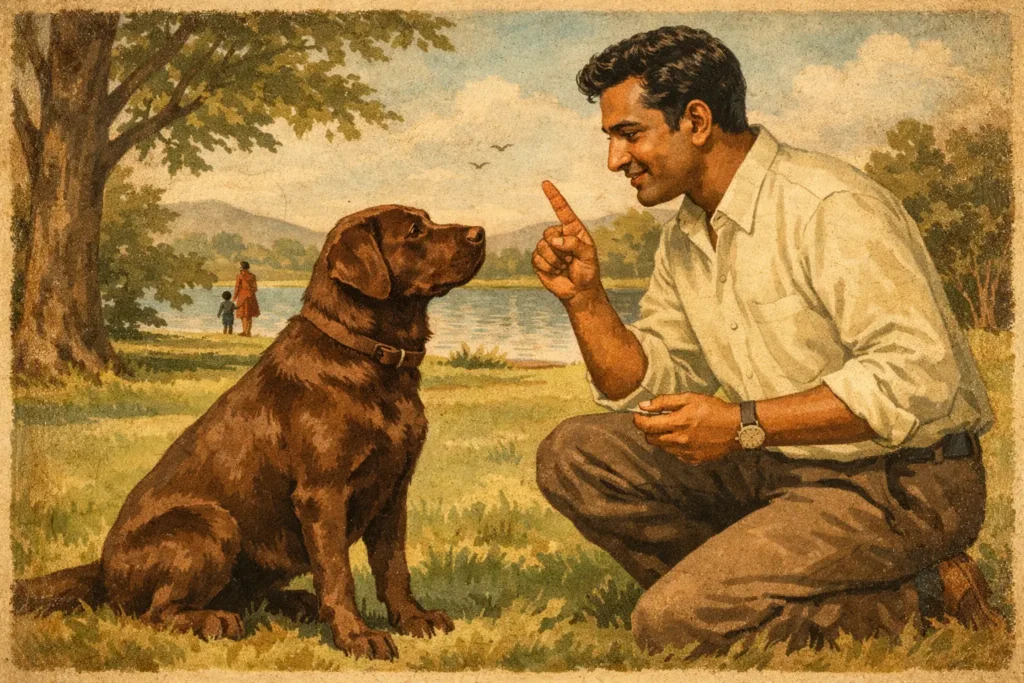
In the first weeks at home, spend time teaching your puppy that being near you pays. Say her name once, and when she looks at you, mark the moment with a cheerful “yes” and offer a small treat. Reward her for choosing to come close, sitting beside you, or checking in during a walk. These ordinary moments become the foundation for recall, loose-leash walking, and calm behavior around distractions.
A puppy does not need long formal sessions to learn. Three to five minutes of focused practice, repeated throughout the day, is often far more effective than one lengthy lesson. End while your Labrador is still interested. That leaves her eager for the next session rather than tired or frustrated.
Use Reward-Based Training With Good Timing
Food is a powerful training tool for most Labradors, and there is no reason to apologize for using it. A treat is simply information delivered in a way your dog understands: that choice was worth repeating. The key is timing. Reward within a second or two of the behavior you want.
If you ask for “sit,” reward when your dog’s rear touches the floor, not after she stands up again or wanders away. If you are teaching loose-leash walking, reward when the leash is slack beside you, not after she has pulled you several steps forward. Precision helps your Labrador connect her action to the result.
Use treats that match the difficulty of the situation. Kibble may be enough for practicing “down” in a quiet kitchen. Outdoors near squirrels, children, or another dog, you may need a more valuable reward such as tiny pieces of chicken or a favorite soft treat. This is not bribery. It is sensible payment for a harder job.
As your dog becomes reliable, vary the rewards rather than stopping them abruptly. Sometimes offer a treat, sometimes praise, a game of fetch, permission to sniff, or the chance to greet a friend. Labradors often work beautifully for life rewards when those rewards are introduced thoughtfully.
Build Daily Routines Before Freedom
A well-managed routine prevents many training problems before they begin. Young Labradors are curious, athletic, and quick to develop habits. Every time a puppy rehearses jumping on guests, grabbing shoes, or racing through an open doorway, that behavior gets stronger.
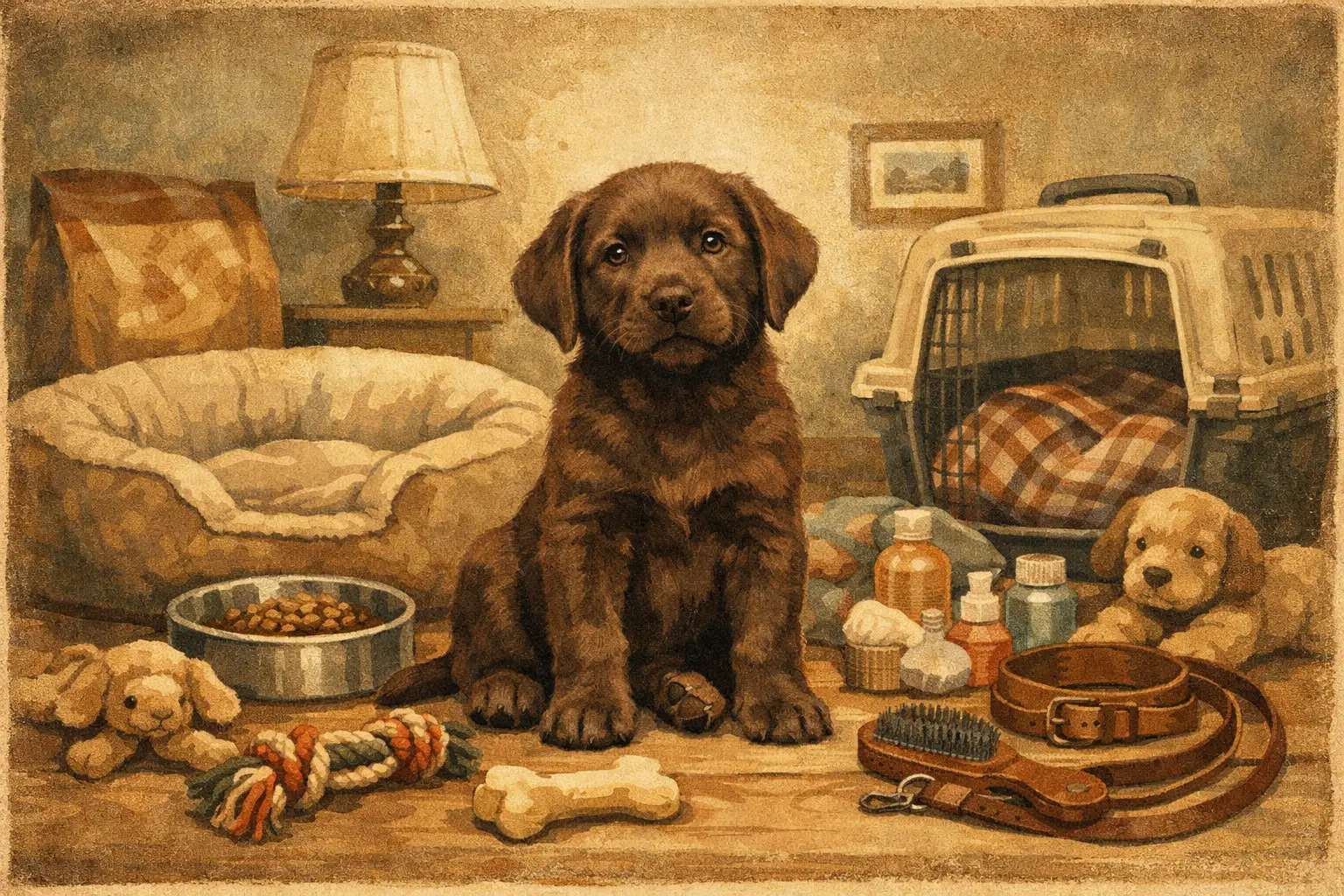
Use a crate, playpen, baby gates, and a lightweight leash indoors when needed. These are not punishments. They are practical tools that keep your puppy safe while giving you a chance to guide good choices. Supervision matters especially during house training, teething, and the first months of learning household rules.
Take your puppy outside on a predictable schedule: after waking, eating, drinking heavily, playing, and napping. When she eliminates outdoors, calmly reward her right away. If there is an accident indoors, clean it thoroughly and adjust your supervision or schedule. Scolding after the fact does not teach a puppy what you hoped she would do. It can only teach her to hide from you.
The same principle applies to greeting visitors. Before opening the door, have treats ready and a plan. Reward four paws on the floor, or ask for a sit if your Labrador can hold one without becoming overwhelmed. If she jumps, the greeting pauses. With repetition, she learns that calm behavior gets people closer while jumping makes attention disappear.
Teach the Skills Every Labrador Needs
The best Labrador training methods are practical because they focus on the behaviors a dog will use every day. A formal-looking heel can be useful in certain settings, but most families first need a dog who can walk without pulling, come when called, settle around company, and leave unsafe items alone.
Recall: Make Coming to You Worth It
Never call your Labrador to you for something she dislikes whenever you can avoid it. If “come” repeatedly means bath time, leaving the park, or having a toy taken away, the word loses its value. Practice recall indoors first, then in a fenced area or on a long line.
Call once in a warm, happy voice. When your dog reaches you, reward generously, praise her, and occasionally release her to play again. That last step is especially valuable. It teaches her that coming when called does not always end the fun.
Loose-Leash Walking: Prevent the Pulling Habit
Labradors are strong dogs, and a pulling habit can turn a pleasant walk into a daily struggle. Begin in a low-distraction area. Reward your dog often for walking near you with a loose leash. If she pulls ahead, stop or calmly change direction rather than allowing the pulling to take her where she wants to go.
Progress can feel slow at first, particularly with an enthusiastic adolescent Labrador. Consistency matters more than distance. A ten-minute walk with good practice is more valuable than a mile of pulling.
Leave It and Drop It: Safety Skills, Not Tricks
Labradors are skilled scavengers, so “leave it” and “drop it” deserve regular practice. Start with a treat in your closed hand. When your puppy backs away or stops trying to get it, say “yes” and give her a different treat from your other hand. She learns that leaving something alone brings a better outcome.
For “drop it,” trade rather than chase. Offer a high-value treat when your dog releases a toy, then often give the toy back. This protects the behavior from becoming a game of keep-away and reduces the risk of resource guarding.
Socialization Means Calm Exposure, Not Constant Excitement
Socialization is often misunderstood as letting a puppy meet every dog and person she sees. A better goal is teaching her that the world is safe and manageable. Your Labrador should learn to observe a bicycle, a busy store entrance, a child playing ball, or another dog across the street without needing to rush toward it.
Keep experiences short and positive. Let your puppy watch from a comfortable distance, feed treats for calm attention, and leave before she becomes worried or overstimulated. If she freezes, refuses treats, tucks her tail, barks repeatedly, or becomes too wild to listen, the situation is too difficult. Increase distance and try again another day.
This measured approach is especially important for dogs with potential for therapy or support roles. Friendliness is valuable, but steadiness is what allows a Labrador to be genuinely helpful in different environments.
Give Your Labrador an Appropriate Outlet
Training cannot succeed if a Labrador has no place to put her energy. Exercise is essential, but endless high-speed fetch is not the whole answer. Some young dogs become fitter and more demanding without learning how to settle.
Balance physical activity with mental work. Short retrieving games, scent searches around the house, food puzzles, basic obedience practice, and calm chewing all use a Labrador’s natural abilities. For growing puppies, avoid repetitive high-impact exercise such as forced long runs or repeated jumping, as developing joints need protection.
A dog who has had a healthy outlet is more ready to practice patience at home. Just as importantly, teach a calm settle on a bed or mat. Reward your Labrador for lying quietly while you cook dinner, answer emails, or visit with friends. A dog should learn that not every moment requires action.
Be Consistent Across the Whole Household
Mixed messages slow training down. If one person allows the Labrador on the couch, another pushes her off, and a third gives her snacks from the table, the dog is not being difficult when she keeps trying. She is responding to a rule that changes depending on who is present.
Agree on the words you will use, the places your dog is allowed to go, and how everyone will respond to common behaviors. Keep cues simple. “Come,” “sit,” “down,” “wait,” and “place” are easier for a dog than several different phrases that mean the same thing.
At Lucky Labs, we believe early guidance should make life easier for both the dog and the family. Good training is not about creating a perfectly silent, robotic Labrador. It is about raising a secure companion who understands the household, enjoys learning, and can be trusted to share in the moments that matter most.
When progress feels uneven, return to the smallest version of the skill your dog can succeed at. Reward that success, practice it kindly, and build from there. The Labrador in front of you is always learning from the pattern you create.