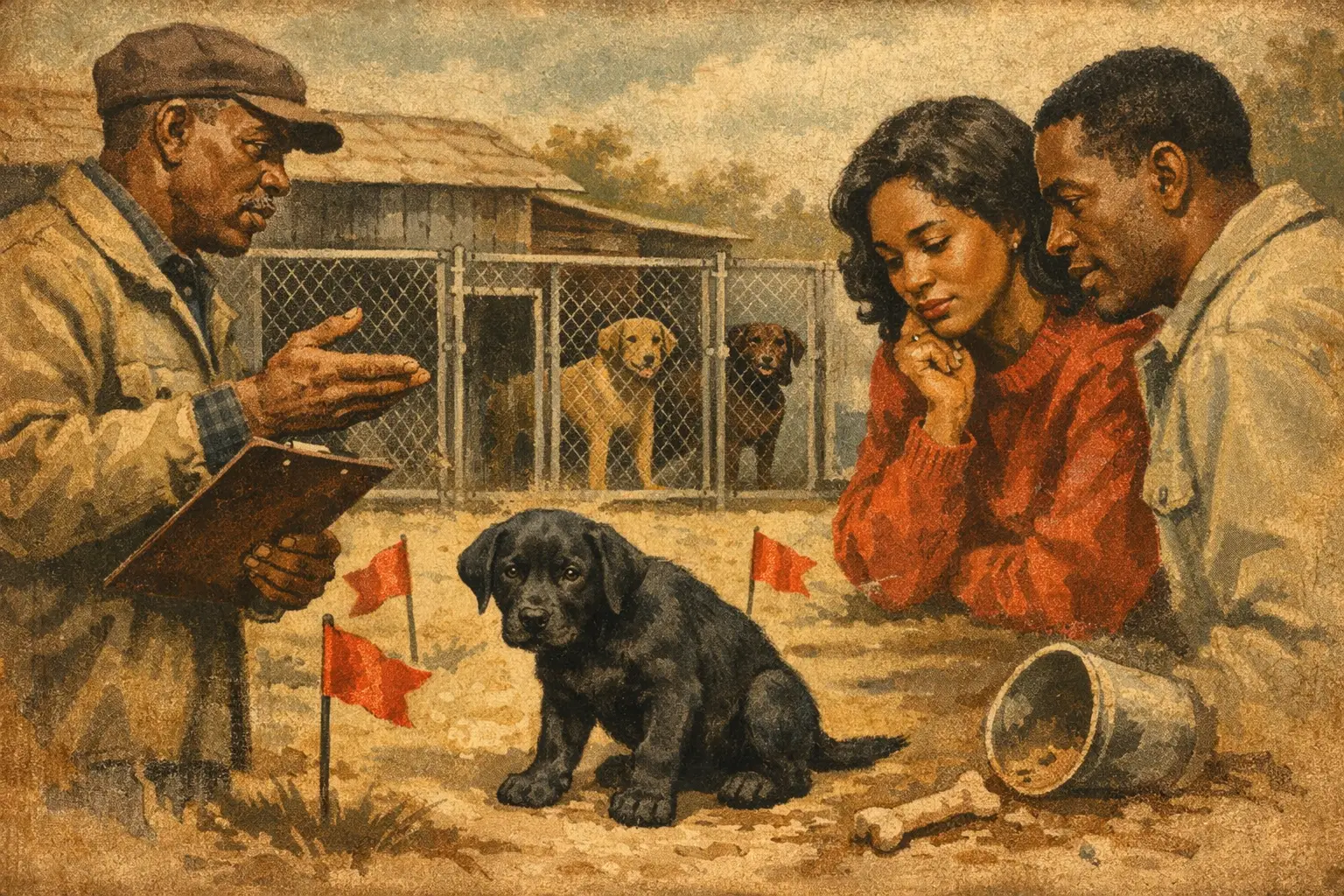

The moment you start looking for a Labrador puppy, you realize how hard it is to tell the difference between polished marketing and real breeding standards. Photos can be beautiful, promises can sound reassuring, and prices can be high across the board. That is exactly why understanding the best breeder signs to trust matters so much. A well-bred puppy should come from thoughtful planning, proven health practices, and a breeder who feels responsible for every dog long after pickup day.
If you are choosing a puppy for your family, or hoping for a dog with service, therapy, or emotional support potential, trust cannot be based on a nice website alone. It needs to be built on specific behaviors, clear standards, and a breeder who is willing to be transparent when you ask hard questions.
Best breeder signs to trust start before the puppies are born
A trustworthy breeder does not begin with available puppies. They begin with breeding decisions. That means choosing parents with stable temperaments, sound structure, and health history that supports the future of the litter.
When a breeder can explain why they paired a certain sire and dam, that is a good sign. They should be able to talk about more than coat color or pedigree names. You want to hear about trainability, confidence, biddability, family suitability, and health background. With Labradors especially, this matters because the breed is loved for its temperament as much as its appearance.
A breeder who plans litters carefully is usually thinking beyond a sale. They are thinking about the dog at 8 weeks, 8 months, and 8 years.
Health testing is one of the clearest breeder signs to trust
There is a big difference between a puppy being “vet checked” and a breeding program being health tested. A routine vet exam is valuable, but it does not replace proper screening of the parents and, ideally, a known family history that includes parents and grandparents.
For Labradors, buyers should expect real conversations about hips, elbows, eyes, heart health, and genetic testing. A breeder should be able to explain what testing they do, why it matters, and how those results shape their breeding program. If the answers are vague, defensive, or limited to “our dogs have never had problems,” that is not enough.
Good breeders welcome health questions because they ask those same questions themselves before ever producing a litter. They know that strong health is part of giving a dog the best chance at a long life and a stable future in your home.
They care deeply about temperament, not just looks
Many buyers begin with color preference, and that is understandable. But a breeder you can trust will guide the conversation toward temperament, energy level, confidence, and suitability for your household.
That matters even more if you have children, a busy household, or hope for a dog with therapy or service potential. Not every puppy is the same, even within the same litter. A responsible breeder spends time observing puppies, noticing recovery from stress, human focus, social interest, and early learning style.
This is one of the best breeder signs to trust because it shows restraint. Breeders who care about long-term success do not simply let buyers choose based on the biggest paws or the cutest face. They help match the right puppy to the right home.
They offer a written health guarantee and stand behind it
A written health guarantee tells you the breeder is willing to put responsibility on paper. It does not mean every future problem can be prevented, because living beings are never completely predictable. But it does show that the breeder takes their role seriously and has thought through what support looks like if something goes wrong.
Pay attention to the details. Is the guarantee clear? Does it explain what is covered? Does the breeder walk you through it instead of rushing past it? Trustworthy breeders understand that contracts should protect both the puppy and the family, not confuse people into silence.
The strongest programs do not treat the guarantee as a legal formality. They treat it as part of an ongoing promise.
A good breeder screens you too
This surprises some first-time buyers. People assume that if they are paying for a puppy, the breeder should simply be available to sell one. In reality, one of the healthiest signs in breeding is selectiveness.
A breeder who asks about your schedule, yard, children, training plans, past dog experience, and goals is showing care. They are not being difficult. They are trying to place each puppy where it has the best chance to thrive.
This is especially important with Labradors because they are intelligent, energetic, and deeply people-oriented. They can be outstanding family dogs and working companions, but they still need guidance, structure, and the right fit. A breeder who asks thoughtful questions is more likely to stay invested in the outcome, not just the transaction.
Their support does not end when the puppy goes home
One of the biggest differences between a reputable breeder and a casual seller is what happens after pickup. A trustworthy breeder expects you to have questions. They know the first few weeks can feel exciting and overwhelming at the same time.
You should feel that help is available for feeding, crate training, house training, socialization, and general transition issues. Some breeders offer early training options or guidance that can make those first stages much smoother. That kind of support matters because raising a puppy is not just about love. It is also about timing, consistency, and experienced direction.
The best breeders stay connected because they believe placement is a relationship. At Lucky Labs, that long-term responsibility is part of what responsible breeding should look like.
They have a lifelong return or rehoming policy
This may be the most overlooked sign of all. Ask a breeder what happens if you cannot keep the dog at some point in the future. Their answer will tell you a lot.
A breeder you can trust does not want one of their dogs ending up in the wrong hands, passed around online, or dropped into an uncertain situation. They should make it clear that the dog comes back to them or that they will help manage safe rehoming.
That policy reflects real accountability. It says the breeder believes they are responsible not only for creating the puppy, but for its welfare throughout life. For families, that is deeply reassuring. Life can change, and ethical breeders plan for that reality.
Transparency matters more than polished sales language
A breeder does not need to be perfect to be trustworthy. They do need to be honest. Good breeders talk openly about their process, their standards, and the limits of what anyone can promise.
For example, no breeder can guarantee a puppy will grow into a perfect therapy or service prospect. What they can do is breed toward stable temperament, evaluate carefully, socialize intentionally, and guide buyers honestly about which puppies may be better suited for certain roles. That kind of honesty builds far more trust than exaggerated claims ever will.
Transparency also means being willing to discuss why they do things a certain way. Maybe they do not breed too often. Maybe they avoid inbreeding and line breeding. Maybe they are careful about how many litters they raise at one time. These are not small operational details. They shape the quality of care every dog receives.
The environment and early raising practices matter
Even the strongest genetics need proper early care. Puppies should be raised in a way that supports confidence, cleanliness, social development, and healthy transitions into family life.
That does not mean every breeder must look identical. Some are small and highly hands-on. Others have a more structured setup. What matters is whether the puppies are being handled, observed, exposed to normal household experiences, and cared for in a clean, attentive environment.
Ask how the puppies are introduced to people, sounds, routines, and basic early learning. If you are buying a Labrador because you want a trainable, adaptable companion, those first weeks matter more than many buyers realize.
Trust your instincts, but back them with evidence
Sometimes people sense that something feels off, but they keep going because they have already fallen in love with the idea of a puppy. That is understandable. Still, emotion should not replace due diligence.
If a breeder pressures you, avoids direct answers, dismisses health questions, refuses to discuss contracts, or seems uninterested in where the puppy is going, pay attention. On the other hand, if a breeder is patient, informed, selective, and deeply invested in each dog’s future, that usually means you are in the right place.
Finding the right Labrador breeder can take time, and sometimes the best decision is to wait for the right litter instead of rushing into the wrong one. A good breeder will never make you feel foolish for asking careful questions. They will respect you more for it, because the families who ask the most thoughtful questions are usually the ones most ready to give a puppy the kind of life it deserves.
The right breeder does more than produce puppies. They give you a stronger start, a clearer sense of trust, and the comfort of knowing someone else cares about your dog as much as you do.